
The Interconnected Network of Home Comfort
Your home operates as a complex ecosystem where HVAC, electrical, and generator systems function as interdependent components, each playing a crucial role in maintaining comfort and safety. When we at R.K. Payne, Inc. evaluate residential systems, we examine how these three vital infrastructures communicate and support each other to create an efficient, reliable home environment. Since 1983, we’ve been helping homeowners throughout Fredericksburg, King George, Colonial Beach, Spotsylvania, and Stafford understand that these systems aren’t isolated units but rather parts of an integrated network that requires careful coordination and professional maintenance.
The relationship between these systems becomes particularly apparent during extreme weather events or power disruptions. Your HVAC system relies entirely on electrical infrastructure to power motors, control boards, and thermostats, while your generator serves as the critical backup that keeps both systems operational when the grid fails. Understanding these connections helps homeowners make informed decisions about system upgrades, maintenance schedules, and emergency preparedness strategies that protect their investment and ensure year-round comfort.
HVAC System Components and Electrical Dependencies
Modern heating and cooling systems incorporate sophisticated electrical components that go far beyond simple on-off switches. Your air conditioning unit requires substantial electrical capacity, typically drawing between 15 and 60 amps depending on tonnage and efficiency ratings. As factory authorized Carrier dealers, we install high-efficiency systems that utilize variable-speed motors and advanced control algorithms to optimize power consumption while maintaining precise temperature control. These systems employ multiple electrical circuits: one for the outdoor condensing unit, another for the indoor air handler, and separate low-voltage wiring for thermostat communication and safety controls.
Heat pumps represent an even more complex electrical integration, reversing refrigerant flow to provide both heating and cooling through the same equipment. During winter operations, these systems may activate auxiliary electric heat strips when outdoor temperatures drop below the balance point, typically around 35 degrees Fahrenheit. This supplemental heating can draw an additional 5 to 25 kilowatts of power, significantly impacting your home’s electrical load. Our hybrid systems intelligently switch between electric heat pump operation and gas furnace heating based on outdoor temperature and utility rates, requiring sophisticated control systems that monitor multiple variables simultaneously.
Generator Integration for Continuous Operation
Emergency power generators serve as the backbone of home resilience, automatically detecting utility outages and transferring your home’s electrical load within seconds. We install complete lines of emergency power generators that integrate seamlessly with existing electrical panels through automatic transfer switches. These sophisticated devices monitor utility voltage continuously, initiating generator startup when power drops below acceptable thresholds and managing the transition back to utility power once service resumes.
The sizing process for whole-home generators requires careful calculation of your home’s electrical demands, with special attention to HVAC equipment startup surges. Air conditioning compressors can draw three to five times their running amperage during startup, necessitating generators with sufficient surge capacity to handle these momentary peaks. Our installation process includes load management systems that sequence equipment startup to prevent overloading, ensuring your heating and cooling systems receive adequate power while maintaining operation of other essential circuits like refrigerators, well pumps, and lighting.
Electrical Infrastructure Requirements
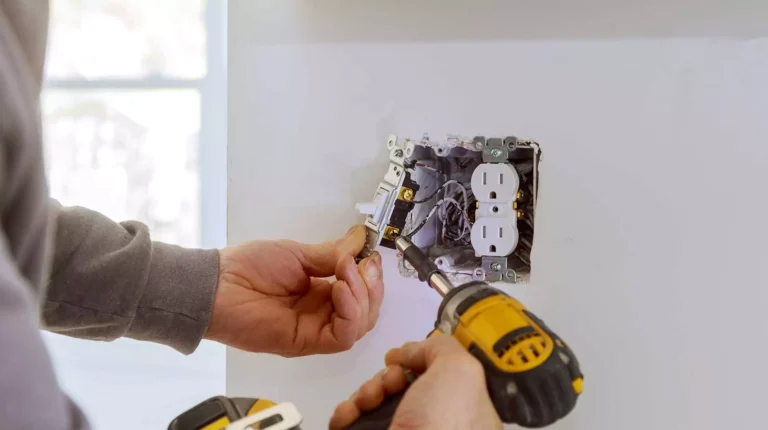
Your home’s electrical panel serves as the central distribution point connecting utility power, generator backup, and all major appliances including HVAC equipment. We perform comprehensive electrical evaluations to ensure adequate capacity for modern high-efficiency systems, which often require dedicated circuits with specific amperage ratings. Older homes frequently need panel upgrades to accommodate today’s electrical demands, particularly when adding heat pumps, electric furnaces, or whole-home generators.
The National Electrical Code mandates specific requirements for HVAC and generator installations, including proper grounding, disconnect switches within sight of equipment, and appropriate wire gauging for circuit length and amperage. Our electrical sales, service, and installation teams ensure every connection meets or exceeds these standards, protecting your equipment warranty and home safety.
Optimizing System Performance Through Integration
- Smart thermostats: These devices communicate with HVAC equipment, monitoring runtime, energy consumption, and maintenance needs while providing remote access through smartphone applications
- Zoning systems: Multiple thermostats and motorized dampers work together to direct conditioned air only where needed, reducing electrical consumption by up to 30 percent
- Variable-speed technology: Motors in furnaces and air handlers adjust speed based on demand, consuming less electricity while improving comfort and humidity control
- Load shedding capabilities: Advanced generators can temporarily disconnect non-essential circuits during peak demand, ensuring critical systems like heating and cooling maintain operation
Understanding how your home’s vital systems work together empowers you to make informed decisions about maintenance, upgrades, and emergency preparedness. Our team specializes in high-efficiency and hybrid systems that maximize performance while minimizing energy consumption. Contact us at (540) 709-5009 for comprehensive evaluation of your home’s integrated systems and discover how proper coordination between HVAC, electrical, and generator components can enhance comfort, reliability, and efficiency throughout your home.